-
Full details→
![Make It Count - Professional Development Programme]()
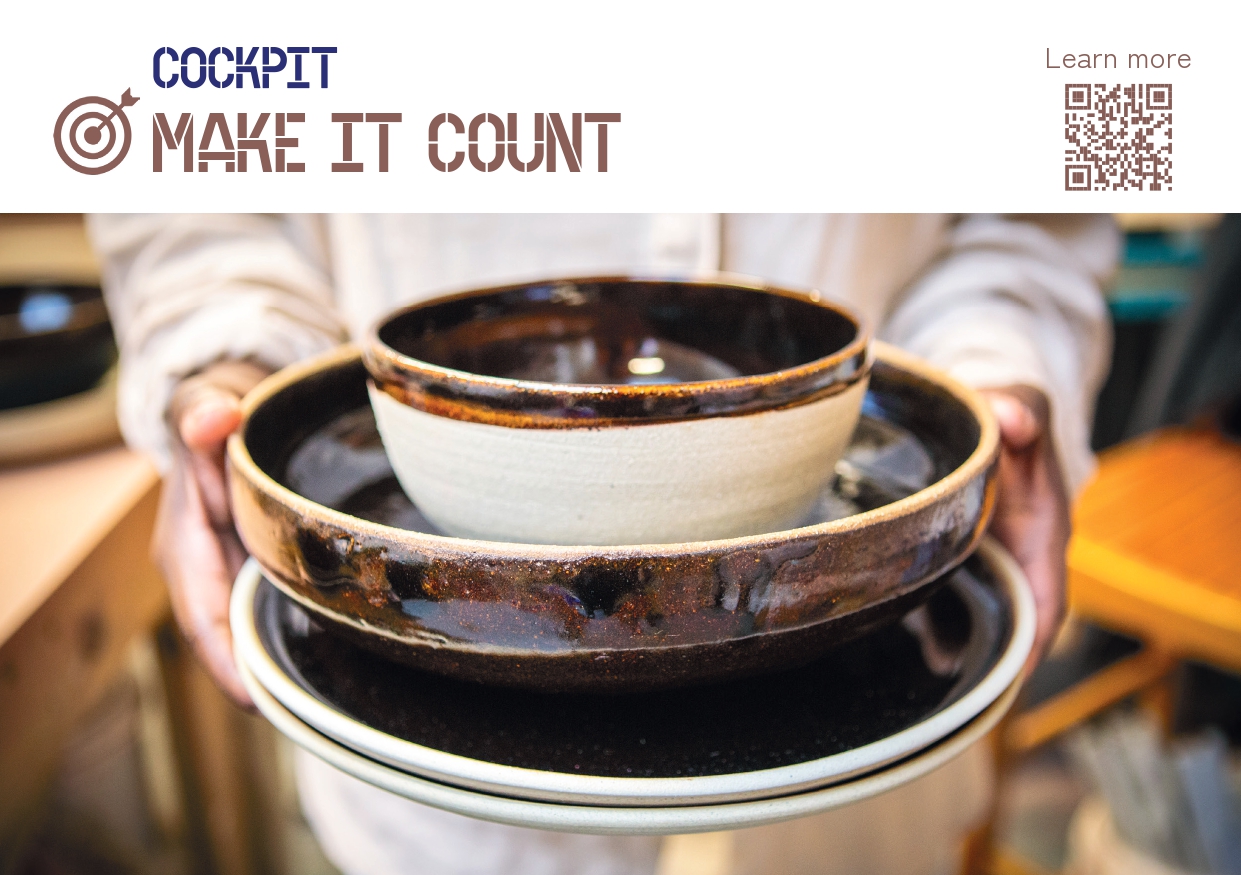
Professional Development Make It Count - Professional Development Programme
Ready to take your creative business to the next level?
-
Full details→
![Graduate Internship Opportunity 2027]()
Residencies & Jobs Graduate Internship Opportunity 2027
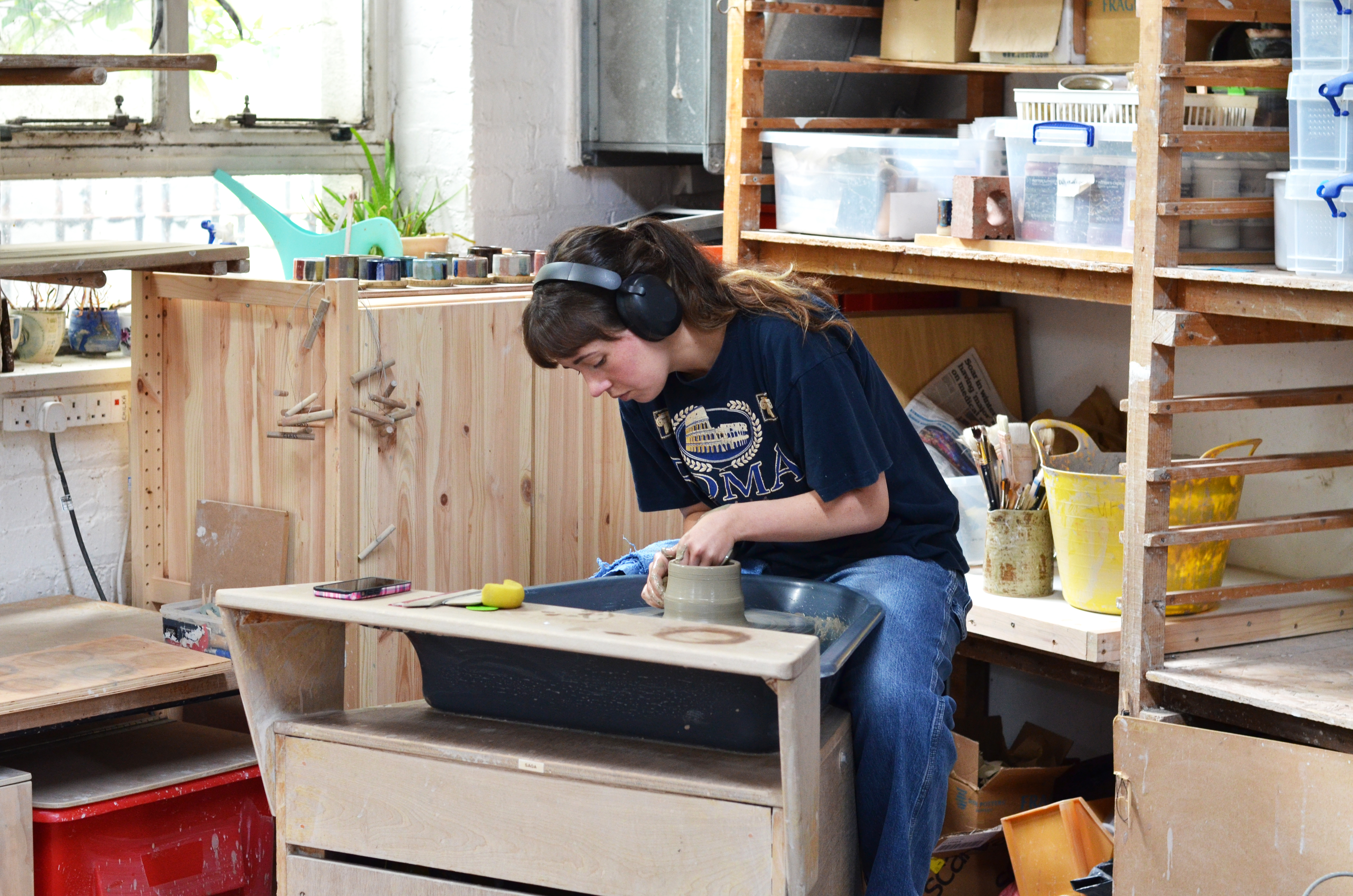
Living Wage Graduate Internship Programme for 2027 at Glasgow Ceramics Studio.
Closing date: 25 Oct 2026
-
Full details→
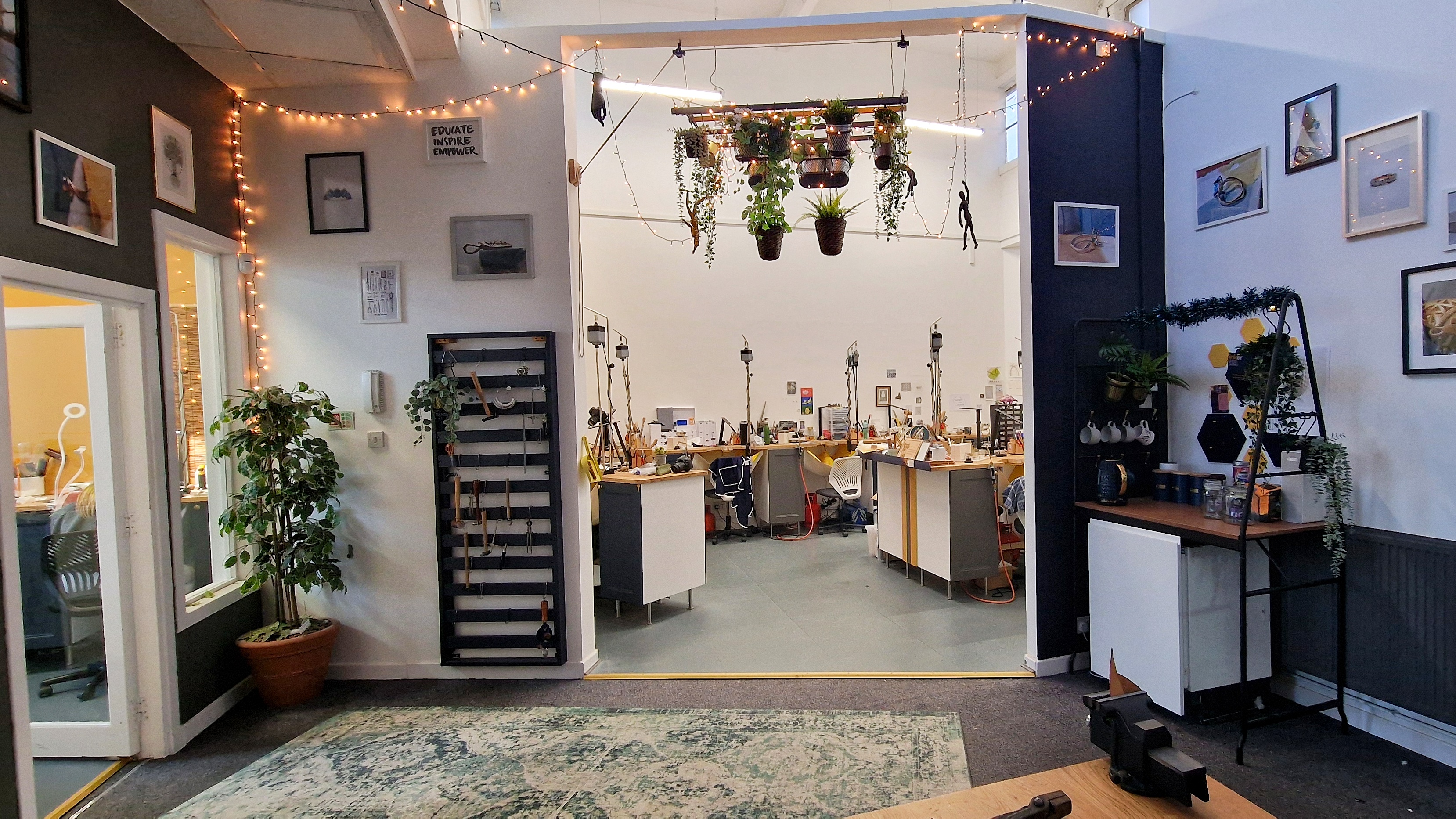
![The INKubator Programme 2027]()
Professional Development The INKubator Programme 2027
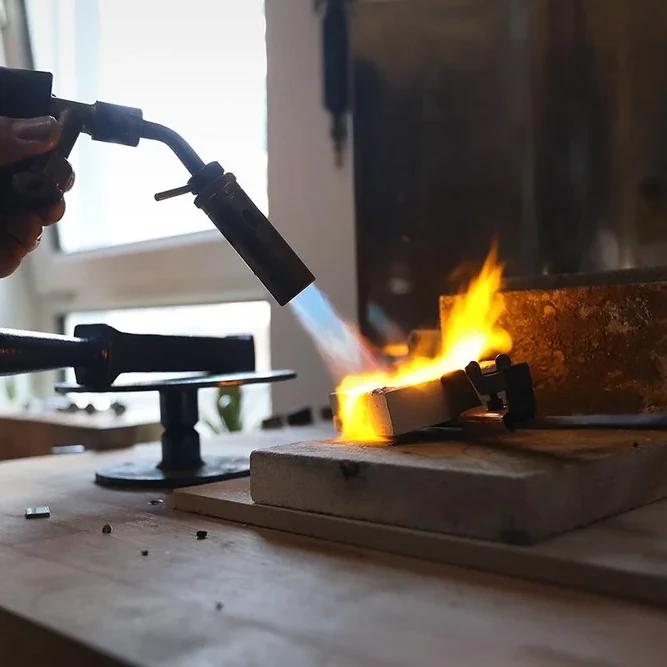
Scotland's leading jewellery development programme. Ten months of mentoring, professional training, studio access & a thriving creative community, helping emerging jewellers build sustainable careers.
Closing date: 6 Nov 2026
-
Full details→
![Call for Studio Applications at Edinburgh Sculpture Workshop]()
Studio & Workshop Spaces Call for Studio Applications at Edinburgh Sculpture Workshop
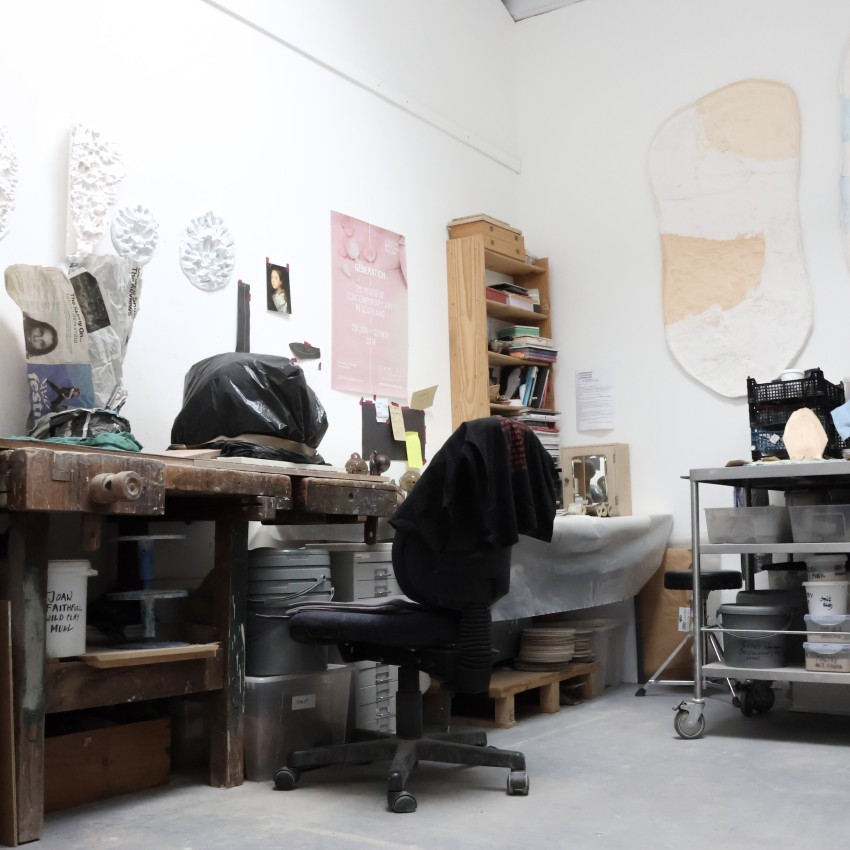
Applications are invited for studios at ESW from artists and makers working within contemporary sculpture practice.
Closing date: 29 Oct 2026
-
Full details→
![Forge Ahead - Professional Development Programme]()
Professional Development Forge Ahead - Professional Development Programme
Cockpit’s award-winning Business Incubation Team presents Forge Ahead, a professional development programme for established makers.
-
Full details→
![Eileen Lewenstein Prize for Critical Writing]()
Awards & Competitions Eileen Lewenstein Prize for Critical Writing
The Eileen Lewenstein Prize supports new and emerging voices in writing on studio ceramics and clay art.
Closing date: 28 Feb 2027
-
Full details→
![Birnam Arts: Tutors Call Out]()
Studio & Workshop Spaces Birnam Arts: Tutors Call Out
Birnam Arts are looking for passionate tutors and facilitators to lead creative workshops.
Closing date: 7 Mar 2027
-
Full details→
![Join the Council of Visual Arts Scotland]()
Volunteering Join the Council of Visual Arts Scotland
Three positions are open to join the council and work with the VAS team to deliver an exciting programme of events.
-
Full details→
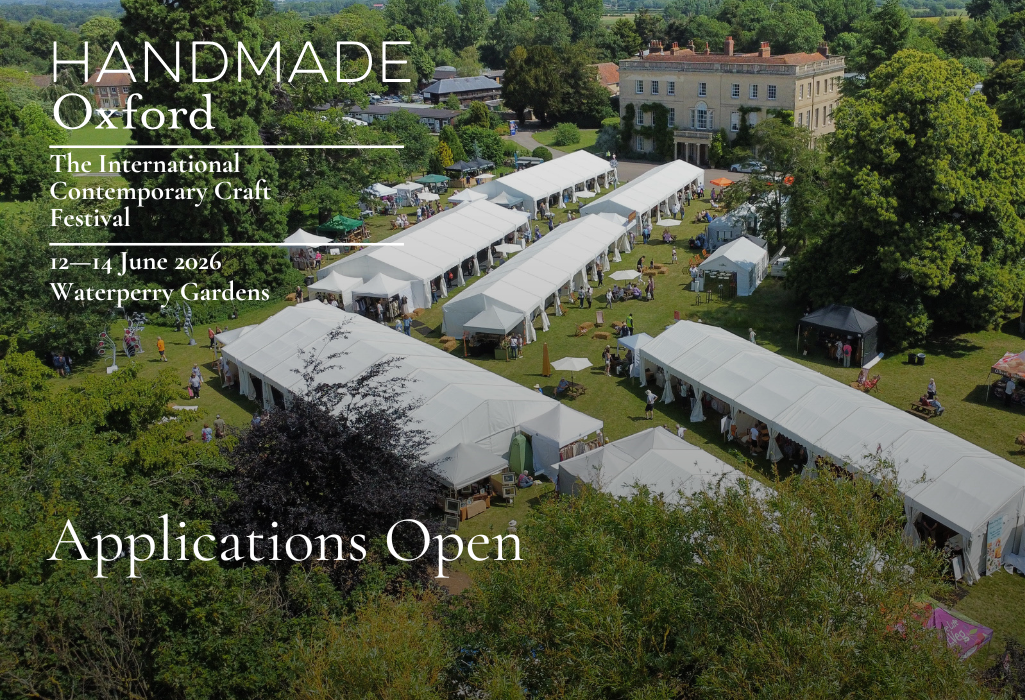
![Handmade Oxford | The International Contemporary Craft Festival]()
Exhibit & Sell Handmade Oxford | The International Contemporary Craft Festival
Are you an independent designer–maker ready to reach a new audience in Oxfordshire?
-
Full details→
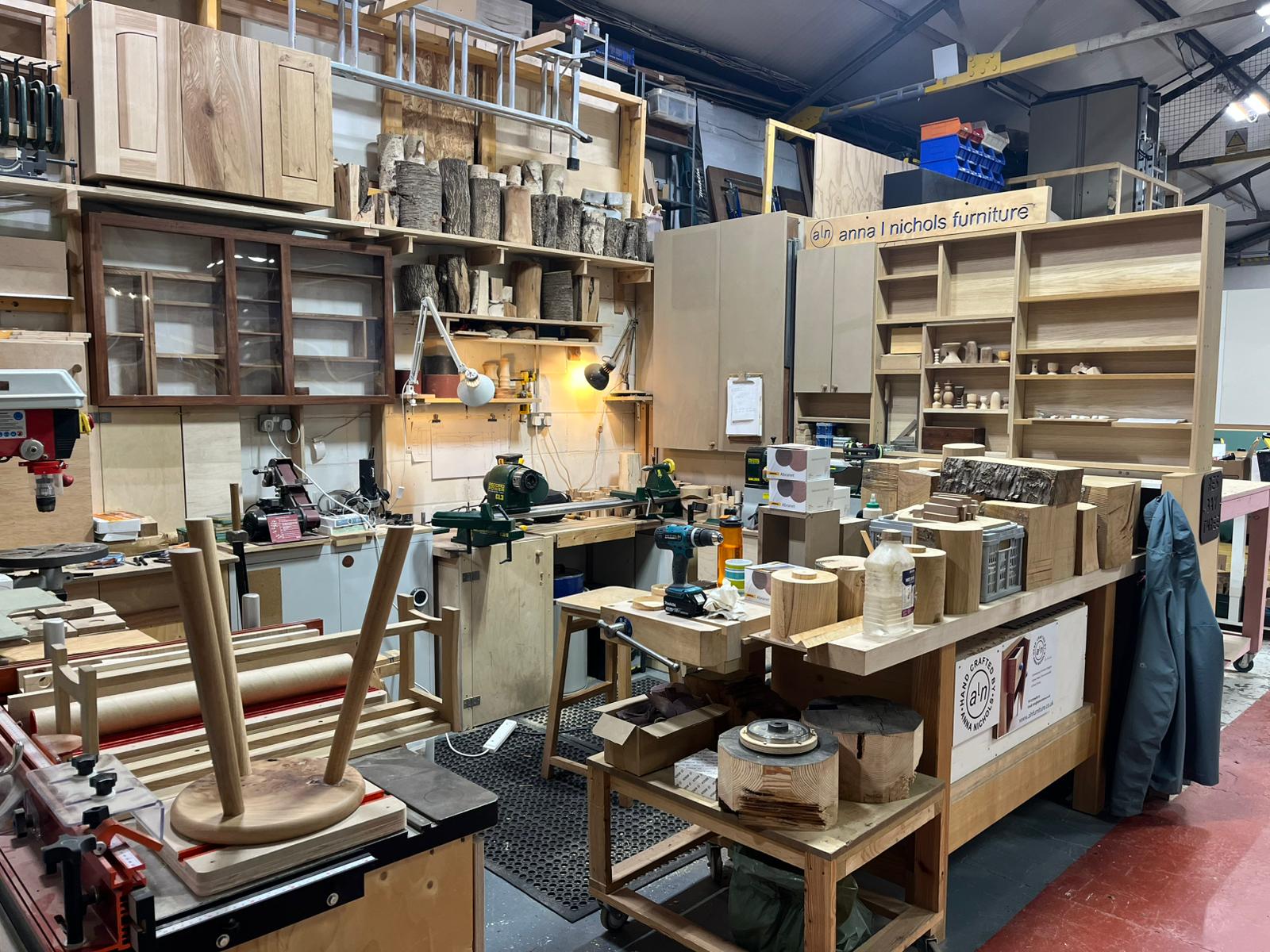
![Make Space for Your Craft - Resident Workshop Bays Available]()
Studio & Workshop Spaces Make Space for Your Craft - Resident Workshop Bays Available
Take your creative business to the next level with a professional workshop space to rent in a supportive maker community.
-
Full details→
![The INKubator Programme 2027]()
Professional Development The INKubator Programme 2027
Designed by jewellers, for jewellers. Ten months of technical training, mentoring and professional development to help you build a thriving creative practice.
Closing date: 6 Nov 2026
-
Full details→
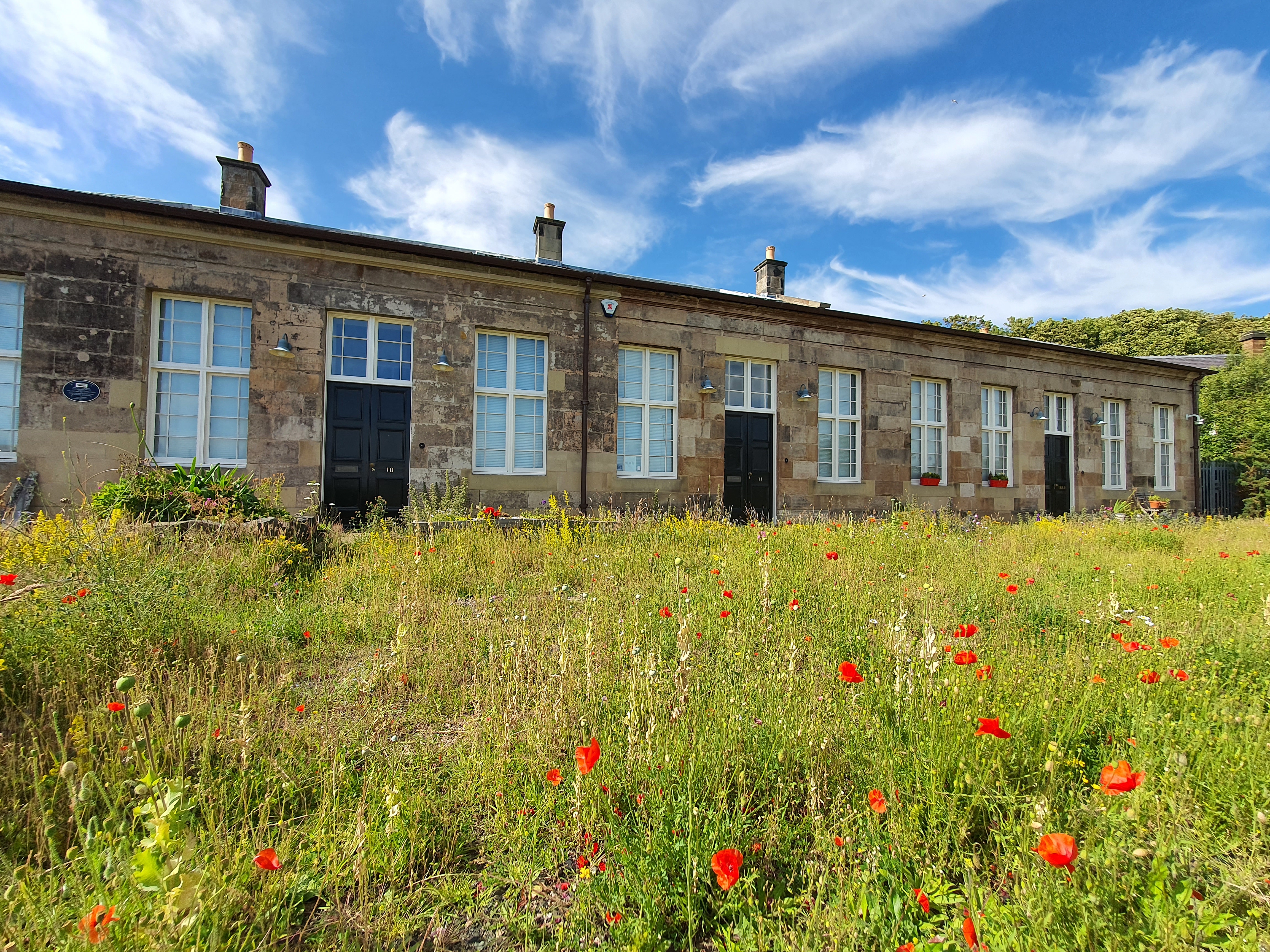
![Studios available in Burntisland]()
Studio & Workshop Spaces Studios available in Burntisland
High quality studio space available for artists and creatives with amazing light and Forth views
Craft Community
Stay up-to-date with Maker Opportunities and Craft Scotland news through our newsletters. Subscribe