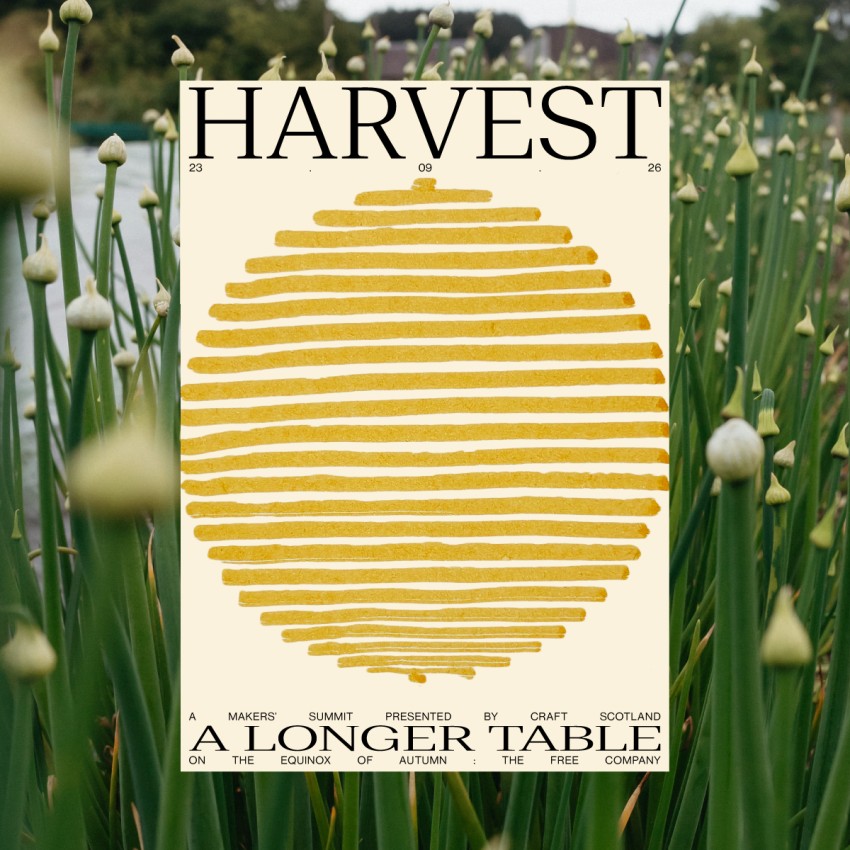
As we approach the autumn equinox and the commencement of Harvest: A Longer Table, we are delighted to reveal more about our inspiring lineup of speakers. Hailing from varied disciplines, locations and backgrounds, they all share a common approach that is rooted in the principles of successful craft and design: iteration, experimentation and testing.
We invited our guest moderator Debika Ray to interview and write introductions for each of the Harvest: A Longer Table speakers; Eilidh Weir, Morven Mulgrew, Laura Welsh, Henry Dobson and Akiko Matsuda of Moss, Rosie Bristow of Fantasy Fibre Mill, Shona Cameron of Climavore, Alberte Holmø Bojesen and Fiona Richmond of Scotland Food and Drink.
Don’t miss Debika’s introductory essay A Fine Balance. She will also write an epilogue delving into the themes, practices and ideas we have explored together, to be published after the summit.
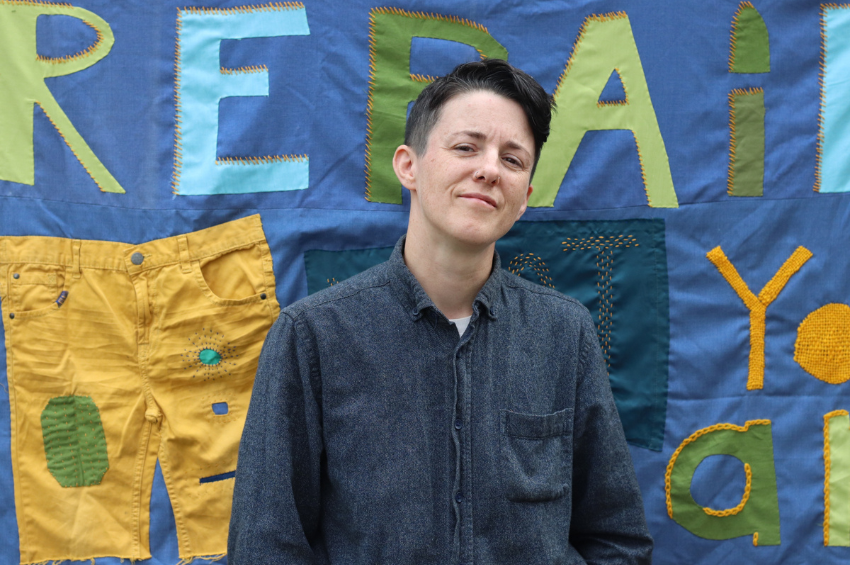
Eilidh Weir / Photography by Alec Steele
Eilidh Weir
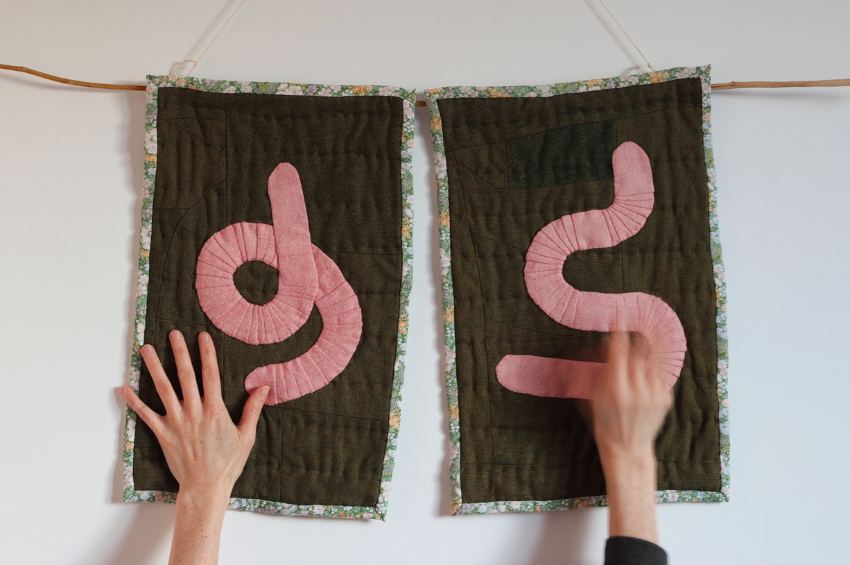
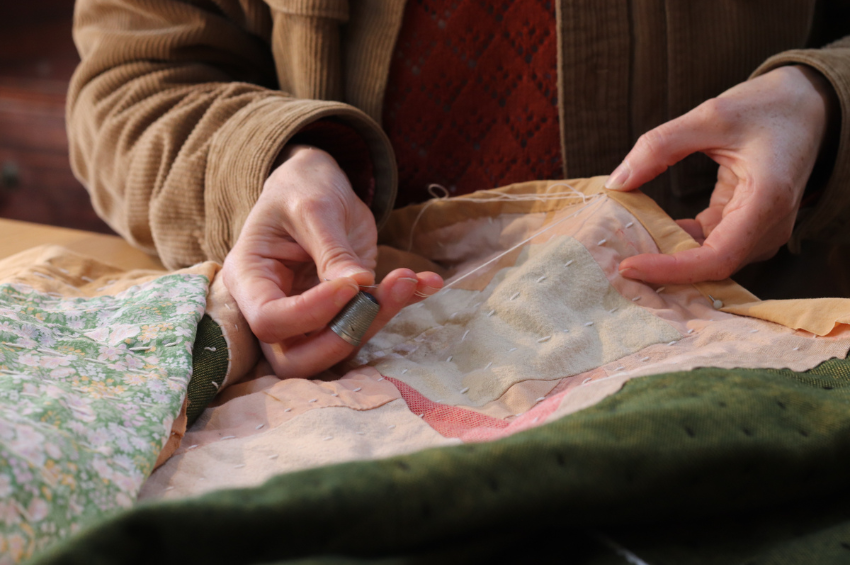
Eilidh Weir is in equal parts a maker and a gardener, and struggles to separate the two. “There are a lot of similarities,” she says. “Both use a lot of problem-solving, and a constant process of decision-making over what stays, what fits, and where. Both involve repetitive tasks, which help me process my thoughts.” While gardening, she often reaches a flow state in which her head swims with possibilities for artistic compositions, and while stitching, she might be planning natural habitats.
The work converges in form as well as practice. Using discarded materials, she makes textile artworks adorned with wildlife, in an effort to celebrate the teeming biodiversity that exists in everything from a forest to our gardens. These aren’t the charismatic megafauna that artists tend to gravitate towards: Eilidh’s quilts are covered in slugs, microbes, moths and other often-overlooked but vital species – a tool for generating curiosity and for education. “I want to endear people to things that usually bring revulsion,” she says. “If you can’t name something, you don't appreciate why it’s important, so you’re not going to care about it.” Just as her textile work values material that might otherwise be thrown away, her approach to gardening shines a light on plants and beings we've been taught to shy away from.
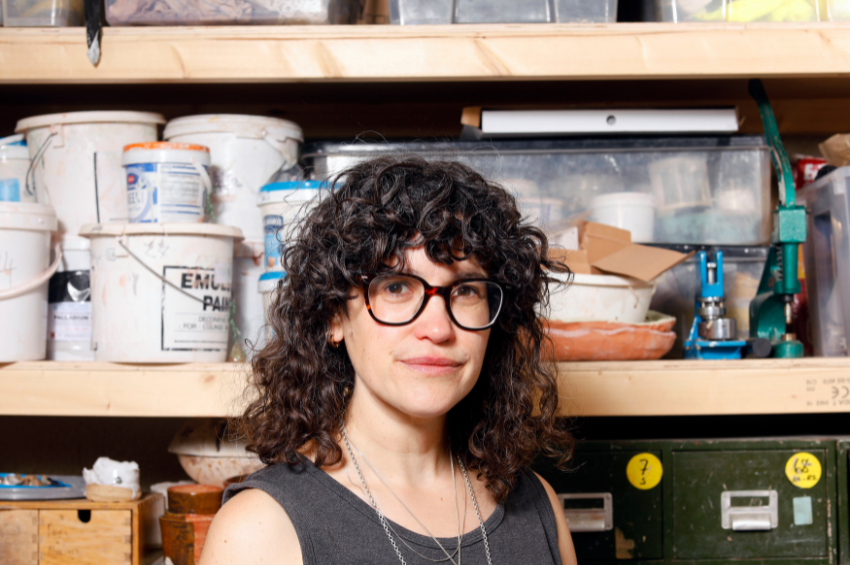
Morven Mulgrew / Photography by Katherine Ann Rose
Morven Mulgrew
“I consider myself very fickle in some senses, and an obsessive in others,” says Glasgow-based “antidisciplinary” artist Morven Mulgrew, explaining how her practice has evolved from traditional shoemaking to studying for a degree in planetary science – via jewellery, bag design, ceramics, glasswork, theatre and comedy.
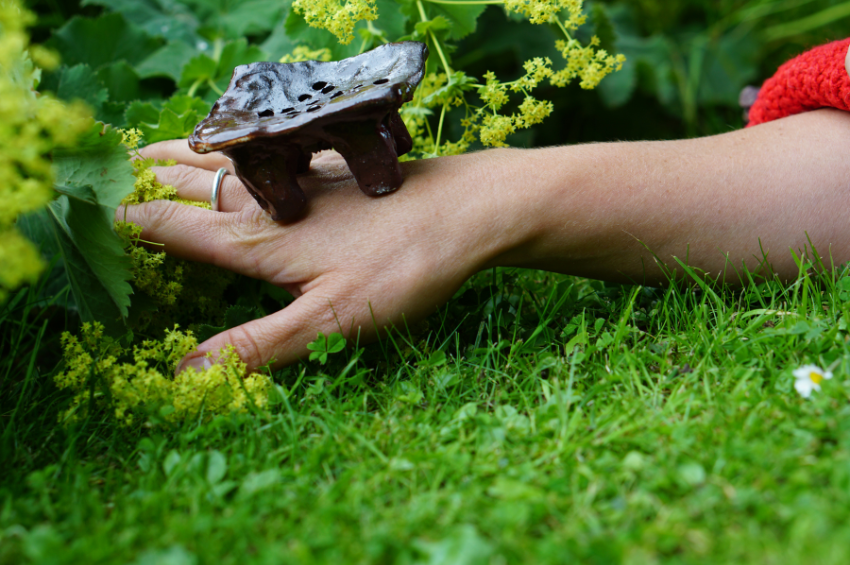
Her work ranges from private commissions and teaching, to public projects. She has taken on commissions from the likes of Dundee Design Festival and Hospitalfield House in Arbroath, and was named a 2025 Future Maker by Fruitmarket gallery in Edinburgh. “Flitting around fields is a way of falling in love with a subject, deep-diving into an area,” she says. Being a first-timer at something allows her to revel not just in the outcome of a craft, but its process – with all its imperfections and failures, and the happy accidents that emerge from breaking rules.
Humour is central to her practice, as a way to engage but also challenge: in 2023 she ran a Christmas market in which she sold only soap dishes – calling it an “Exposition of soap dishes in the Expanded Field”. “I tried to take the ludicrous theme ridiculously seriously,” she explains, “but the ploy was really to use the format to bring together different makers from many disciplines as well as run a low-cost market for a mix of artists, allowing people to take more risks with their own work, all the while gently poking fun at pretensions around art fairs and high-art objects.”
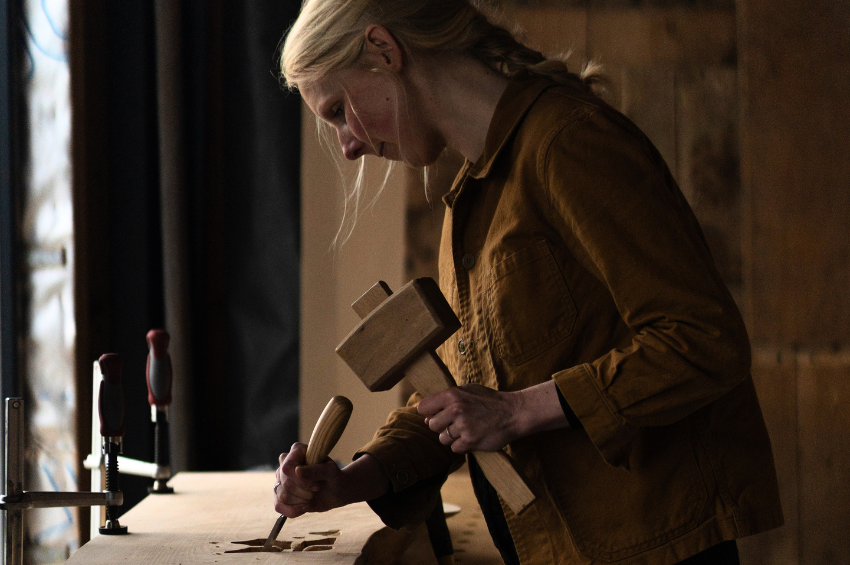
Laura Welsh / Photography by Victoria Mackenzie Forsyth
Laura Welsh
It’s a hard life for a tree on the Isle of Skye, says Laura Welsh. The steep, rocky terrain and windy climate mean timber often grows in unpredictable ways, but these are what lend character to her work. She fell in love with the material while training in joinery as a cabinet maker after her undergraduate degree at the Ruskin School of Art, and then while doing a masters degree in design and making at the Architectural Association at Hooke Park in Dorset. “It’s light, strong, tactile, easy to work and sequesters carbon,” she says. “And the scale of a tree in relation to a human means you rarely need a lengthening joint to make furniture.”
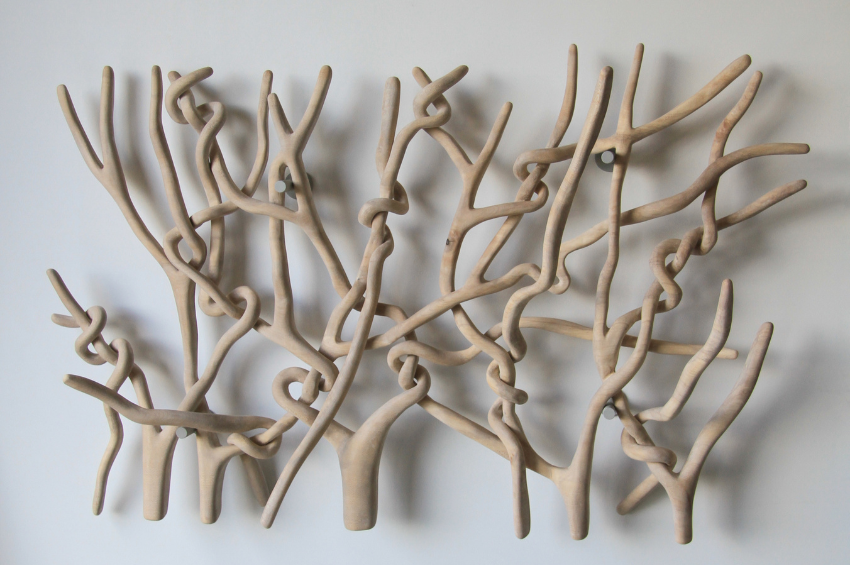
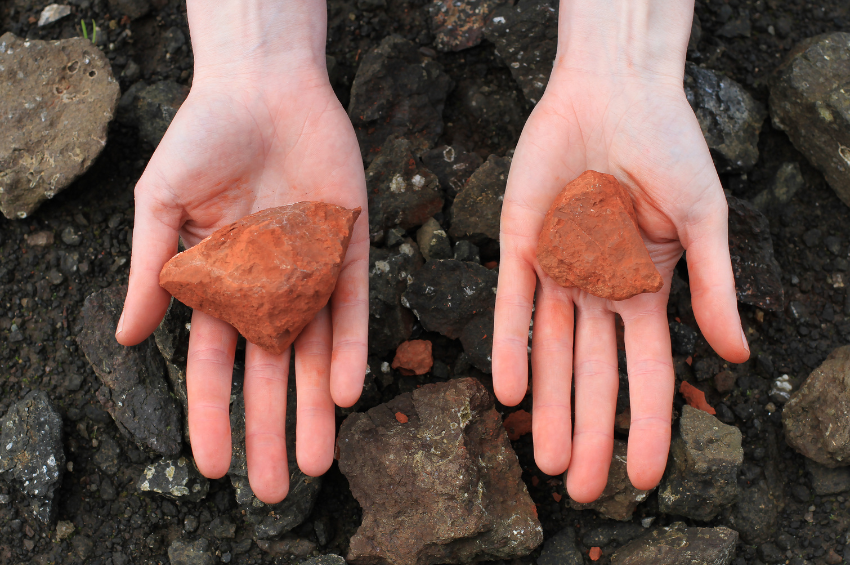
Today, in her garden workshop, she uses timber acquired from a local tree surgeon to make both furniture and sculptures, using similar skillsets, tools and machinery in strikingly different ways. In her artworks, knots, cracks and decay are incorporated into the form – burrs turn into beads, offcuts become fresh pieces. Alongside carving, she uses steam-bending to create loops and knots, and adds colour using a red pigment derived from local iron-rich soil. The time-consuming process is one of “gradual excavation” – a way of working that allows her the freedom to explore. She exhibited some of these pieces in a recent solo exhibition at Inverness Museum and Art Gallery.
Her fitted cupboards, in contrast, are an exercise in pragmatism. “The area where I live is very rural, and practical skills are highly prized,” she says. “There’s a culture of people helping each other out.”
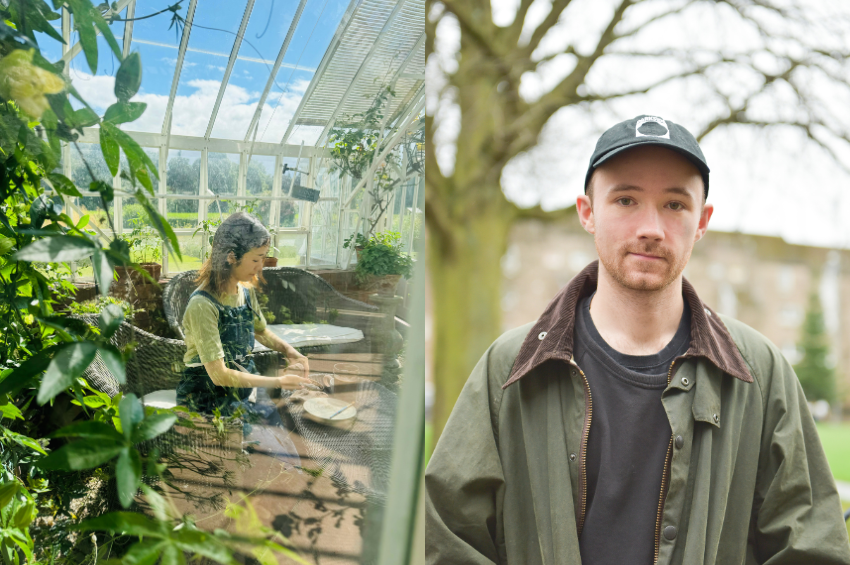
Akiko Matsuda and Henry Dobson / Photography by the artist
Henry Dobson and Akiko Matsuda of Moss
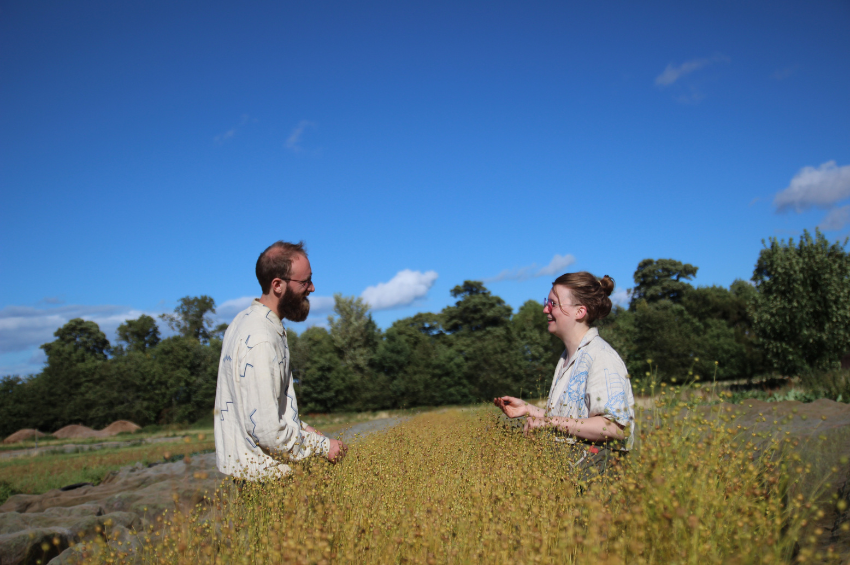
Moss is a farm-to-table restaurant in Edinburgh that began as a response to the fragility of global supply chains, but has become a celebration of vernacular materials, methods and knowledge. Its founders – Henry Dobson and Akiko Matsuda – pride themselves on making as much as they can themselves, and otherwise sourcing from small-scale local producers or Henry's family farm. “For every item served at Moss, we can tell you the name of the person who grew it and their dog,” he says.
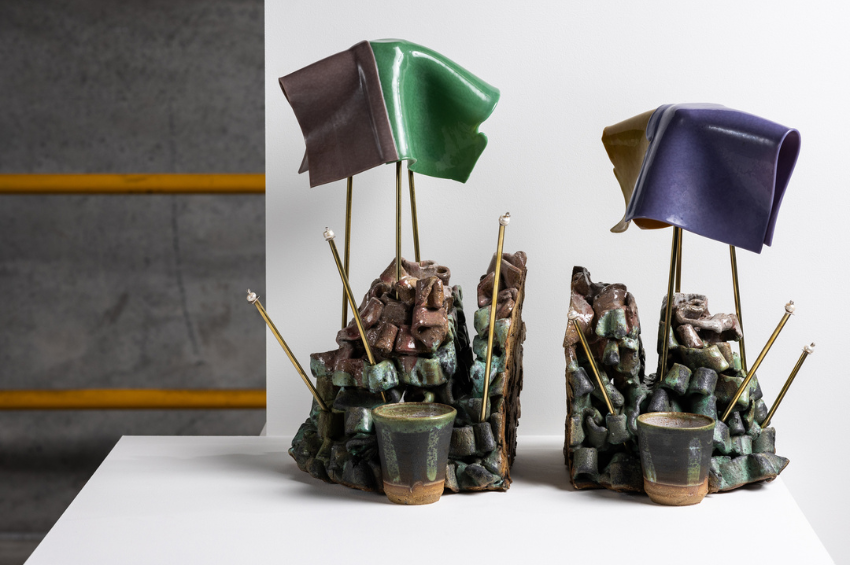
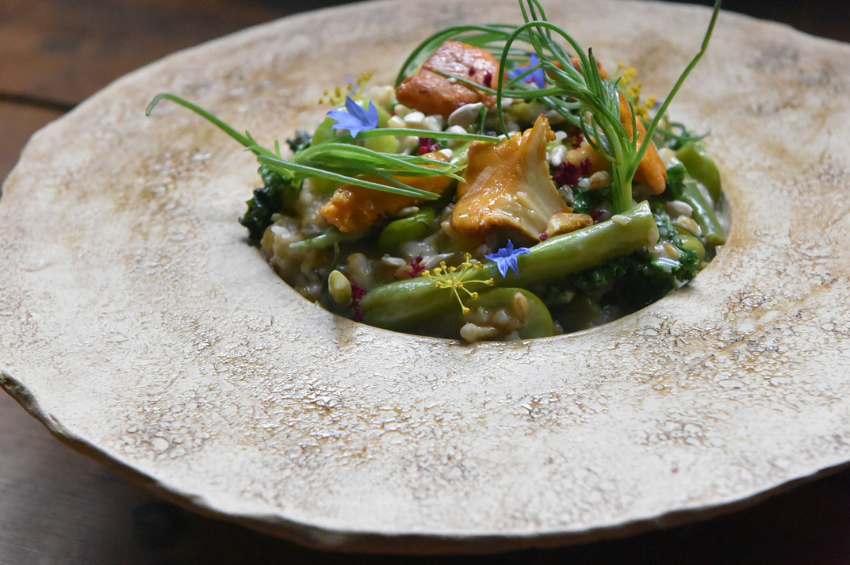
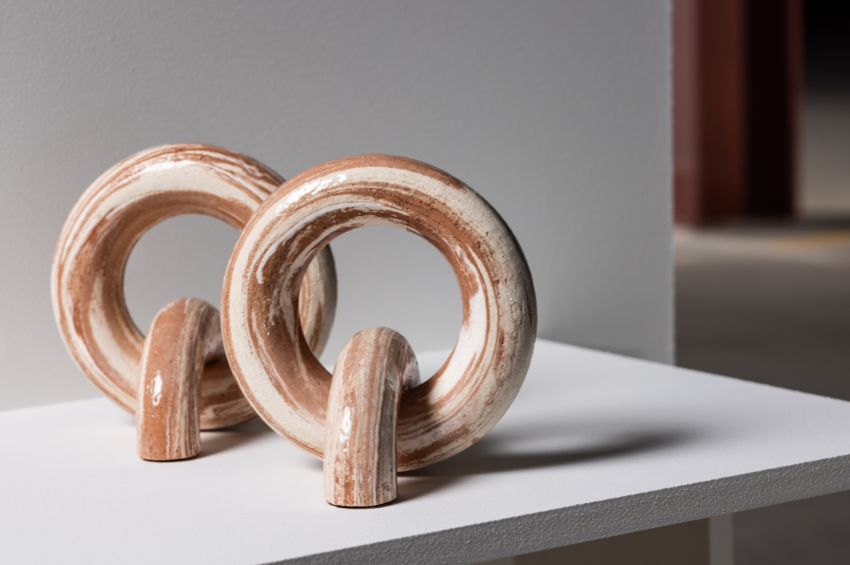
This extends far beyond the food: the couple make their own tables, mix the paint on their walls, and even commission the music played through the speakers. Most significantly, Akiko – who is a ceramic artist – makes all the tableware, creating unique designs that complement the food and meet practical needs while retaining unusual, expressive forms. In selected pieces, she uses local clay, creating a subtle connection between the work, the meal and the landscape.
These plates sit at the centre of the restaurant’s creative process. “Once food is placed on one of my pieces, the ceramic becomes part of another maker’s creation, creating a collaboration between the food, the object and the person experiencing it,” says Akiko. “Knowing that our work can contribute to making someone's dining experience feel special has been incredibly rewarding.”
Instagram - Moss
mossedn.co.uk
Instagram - Akiko Matsuda
akopottery.com
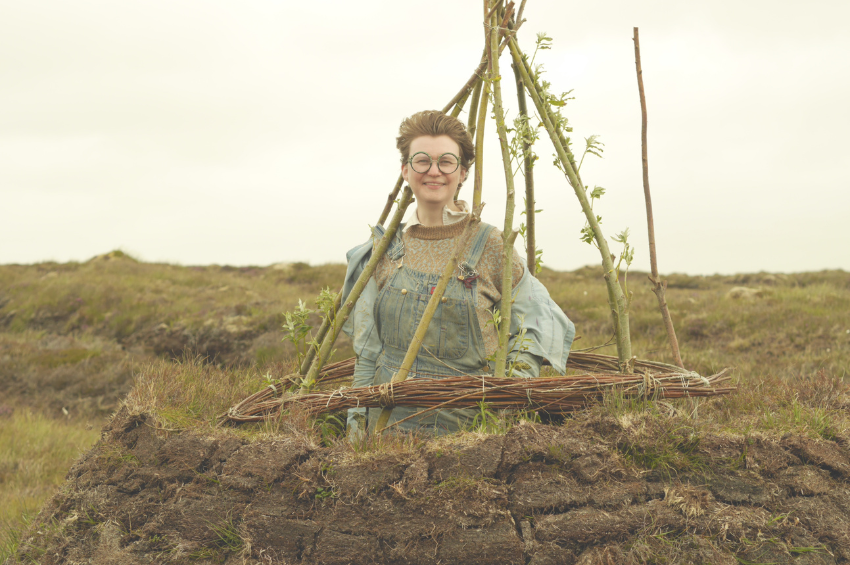
Rosie Bristow of Fantasy Fibre Mill
Rosie Bristow of Fantasy Fibre Mill
With her career as a costume designer for theatres on pause during the covid pandemic, Rosie Bristow turned her attention to making her own clothes, and soon became determined to challenge the extractive, destructive and exploitative way we currently produce and consume textile-based products.
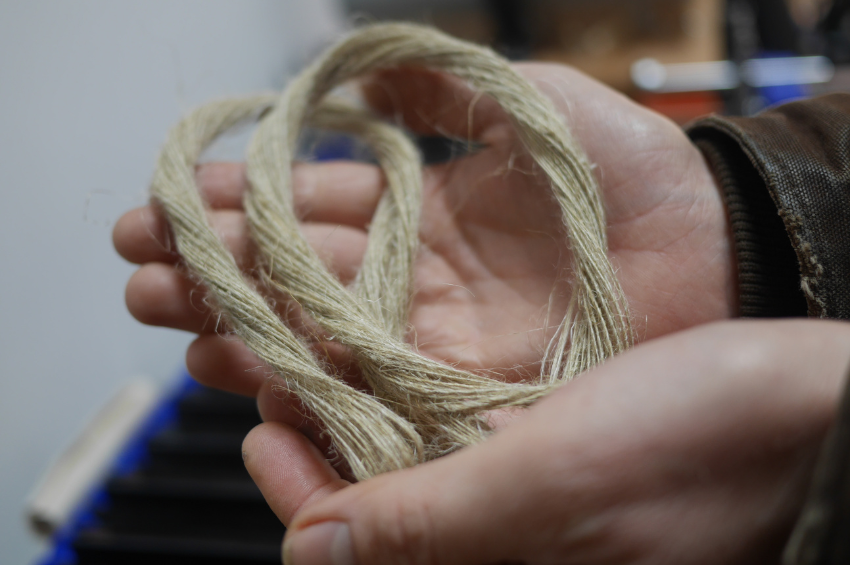
That has since evolved into Fantasy Fibre Mill, an initiative based across East Lothian and Devon – where her business partner Nick Evans is based – that is turning raw flax into linen yarn. The vision is ambitious: to scale up production to meet the demands of the fashion industry, without losing a connection to local environments and economies. Drawing on Rosie’s PhD research into flax processing, the organisation has developed open-source machines that are easy to build and maintain and can fit into a small shed – the kinds of kit that could otherwise cost flax farmers millions to buy.
Over the years, Fantasy Fibre Mill has expanded and now has members of the team in the US, Netherlands, Germany and other parts of the UK, with a view to a future in which every community can grow and make their own cloth out of natural fibre in a network of decentralised hubs. “We’re interested in not just building machinery, but in building a community around it.”
Instagram
fantasyfibremill.com
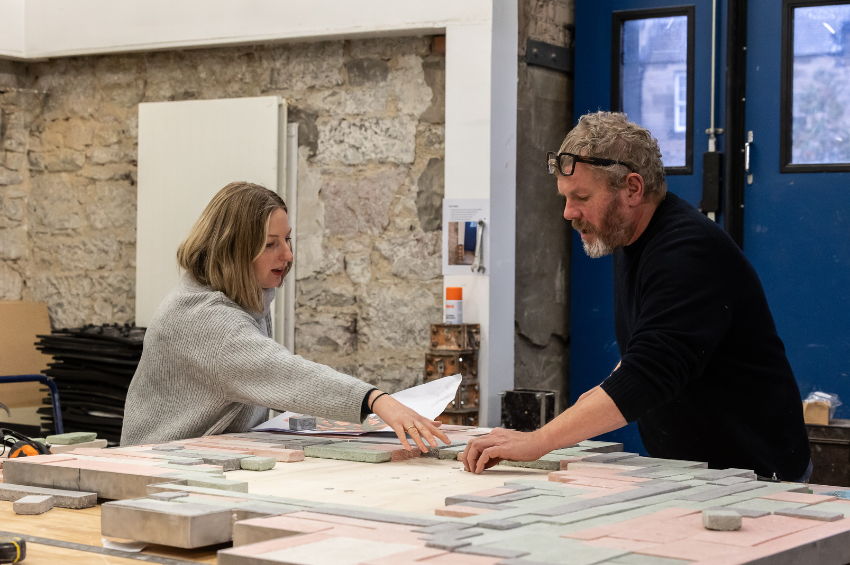
Shona Cameron of Climavore / Photography by Sally Jubb
Shona Cameron of Climavore
Shona Cameron moved to Skye almost on a whim, leaving her permanent role at the National Galleries of Scotland for a one-year post at ATLAS Arts, which organises collective art projects across Scotland's north-west coast. Twelve years on, she runs the Skye and Raasay station for Climavore, an initiative founded by Turner Prize-nominated duo Cooking Sections to rethink how food habits need to evolve in the face of climate change. The project draws on local ecological knowledge, food traditions and craft skills, alongside systems thinking, to shift from extractive to regenerative practices – from helping restaurants rework their menus to turning food waste into material for making.
Having grown up by the sea, this work is personal for Shona. And though the role looks centred on civic infrastructure, scientific research and community engagement, it also draws on her fine art background – creating tangible works that engage audiences while connecting to the islands’ material histories. The Tidal Gardens project, for instance, was a series of workshops that imagined a shared shoreline garden for Skye, while Bivalve Murals are 10 large-scale public artworks crafted from crushed seashells. “Art gives us different ways of asking questions and engaging with complex challenges,” Shona says. “We aren't trying to communicate scientific information through art – we are interested in creating situations where different forms of knowledge can meet: scientific, cultural, ecological, practical and lived experience.”
Instagram
climavore.org/skye-raasay
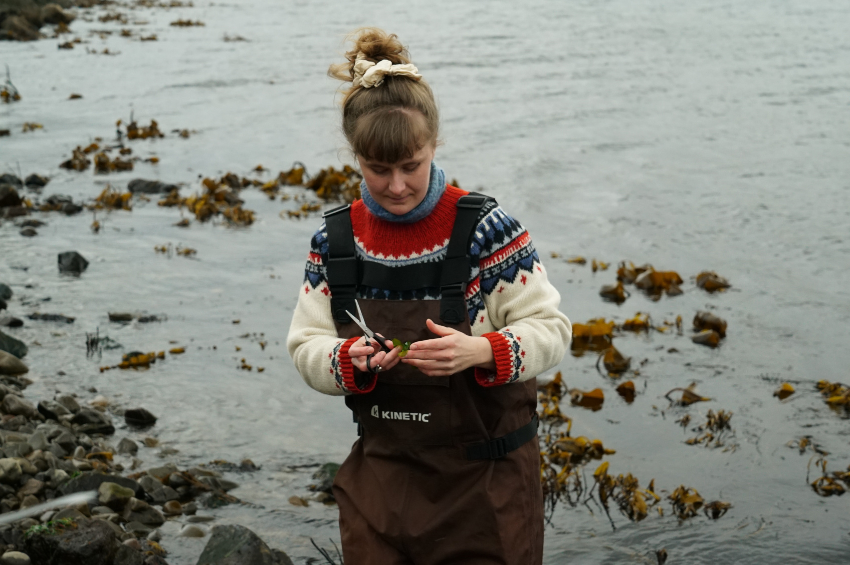
Alberte Holmø Bojesen / Photography by Floortje Zonneveld
Alberte Holmø Bojese
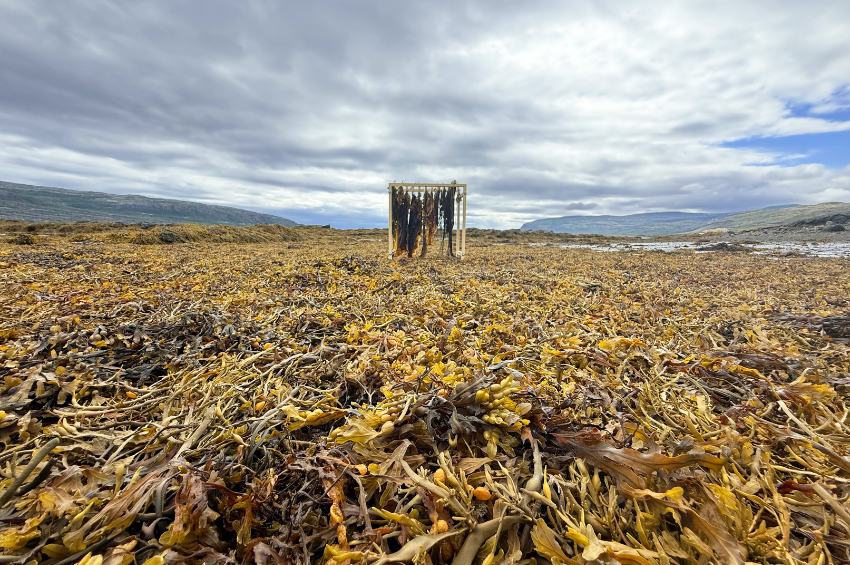
Copenhagen based textile designer and material researcher Alberte Holmø Bojesen trained at the Swedish School of Textiles in Borås, and then became intrigued by seaweed in 2022, when she spent eight months in Blönduós, in north western Iceland.
There, she started to explore the possibilities of Icelandic brown kelp – a transformative journey that has become a mission to convince the world of the importance of seaweed if we can learn to co-exist with and nurture it. “My love for seaweed and algae comes from the fact that they are an essential part of our ecosystem, yet they remain largely unseen, untouched, and unnoticed by most people,” she says. “We go to the coast and wrinkle our noses at the smell of decaying seaweed, but we rarely stop to think that more than half of the oxygen we breathe in while smelling it comes from that very source.”
Today, Alberte travels across the Nordic coastline researching seaweed through fieldwork with coastal communities and biochemical research. She then spreads these findings and knowledge widely, through teaching, exhibiting, design, innovation and artistic practice. “I would love to see a future in which we grow our own seaweed gardens, contributing to the regeneration of ocean health while also harvesting seaweed for nutritious food and healthier materials,” she says. “This vision is not limited to seaweed and algae – it extends to all our entanglements with other species and the ways we choose to live alongside them.”
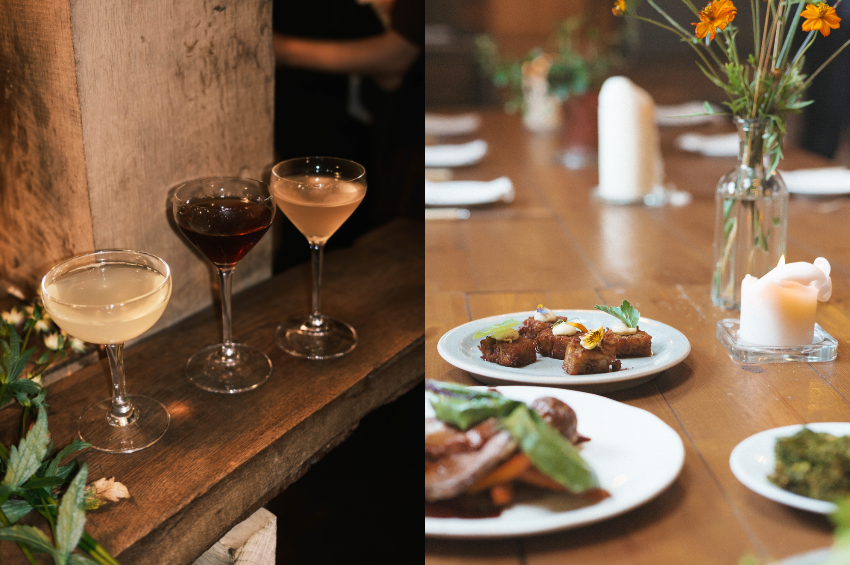
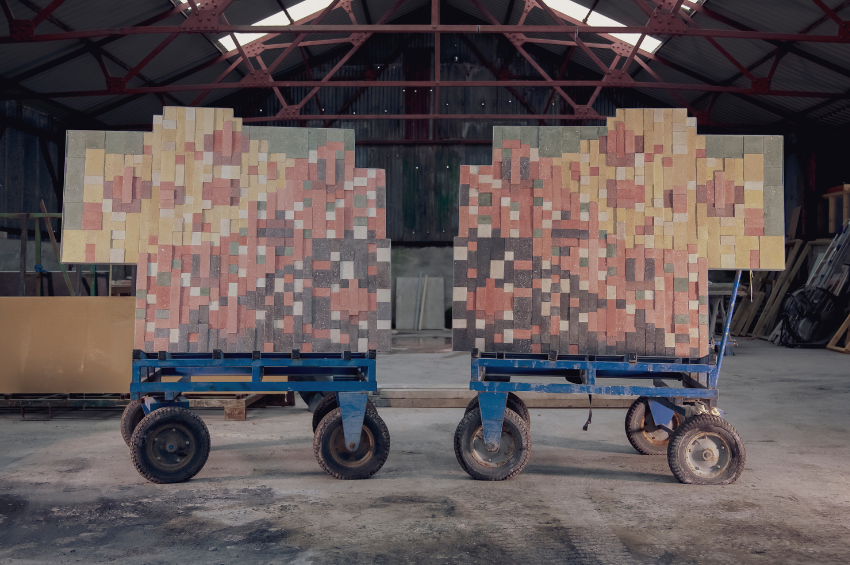
Images courtesy of The Free Company / Photography by Masters & Masters
Fiona Richmond of Scotland Food & Drink
Fiona Richmond has worked with industry leadership organisation Scotland Food & Drink since 2009 – applying lessons from her work with the international Slow Food movement to the Scottish context, and winning accolades for initiatives spanning tourism, regional development and events.
Over that time, she has observed many similarities between her sector and the craft world – from their shared focus on provenance to their connection to, and dependence on, the environment. Scotland’s exceptional larder of fish and seafood, venison and game, berries and soft fruits, oats and cereals, beers and whiskies – as well as its recently revived salt-making industry – are products of the country’s climate, geography, history and traditions, and of its network of dedicated small businesses.
The same applies to its craft. “I’ve always thought that our sectors can learn so much from each other,” Fiona says – pointing to craft’s deft storytelling and innovation skills, and the food industry’s collaborative spirit and commercial nous, as areas with the greatest potential for exchange. More than that, she believes they can thrive through closeness. “I truly believe that our sectors could and should work more together.”
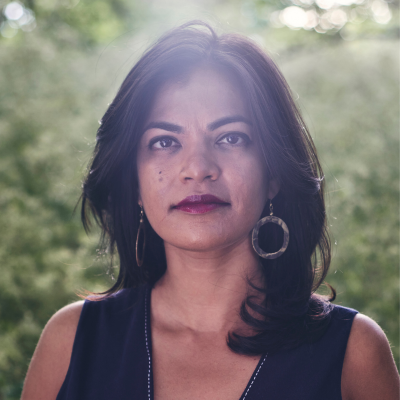
Debika Ray is the guest moderator for HARVEST: A Longer Table. She is a journalist and editor specialising in culture, systems and the material world. She has written for the Financial Times, Kinfolk, Apollo, the World of Interiors, Wallpaper and many others. She was previously editor of Crafts magazine, head of editorial at Crafts Council UK and director of the Global Design Forum at the London Design Biennale. She founded the consultancy Clove Press, which strives to generate inclusive, globally-minded, critical conversations about the arts. She frequently chairs public conversations, delivers lectures and participates in juries and interview panels, as well as advising businesses and institutions on their creative strategies.