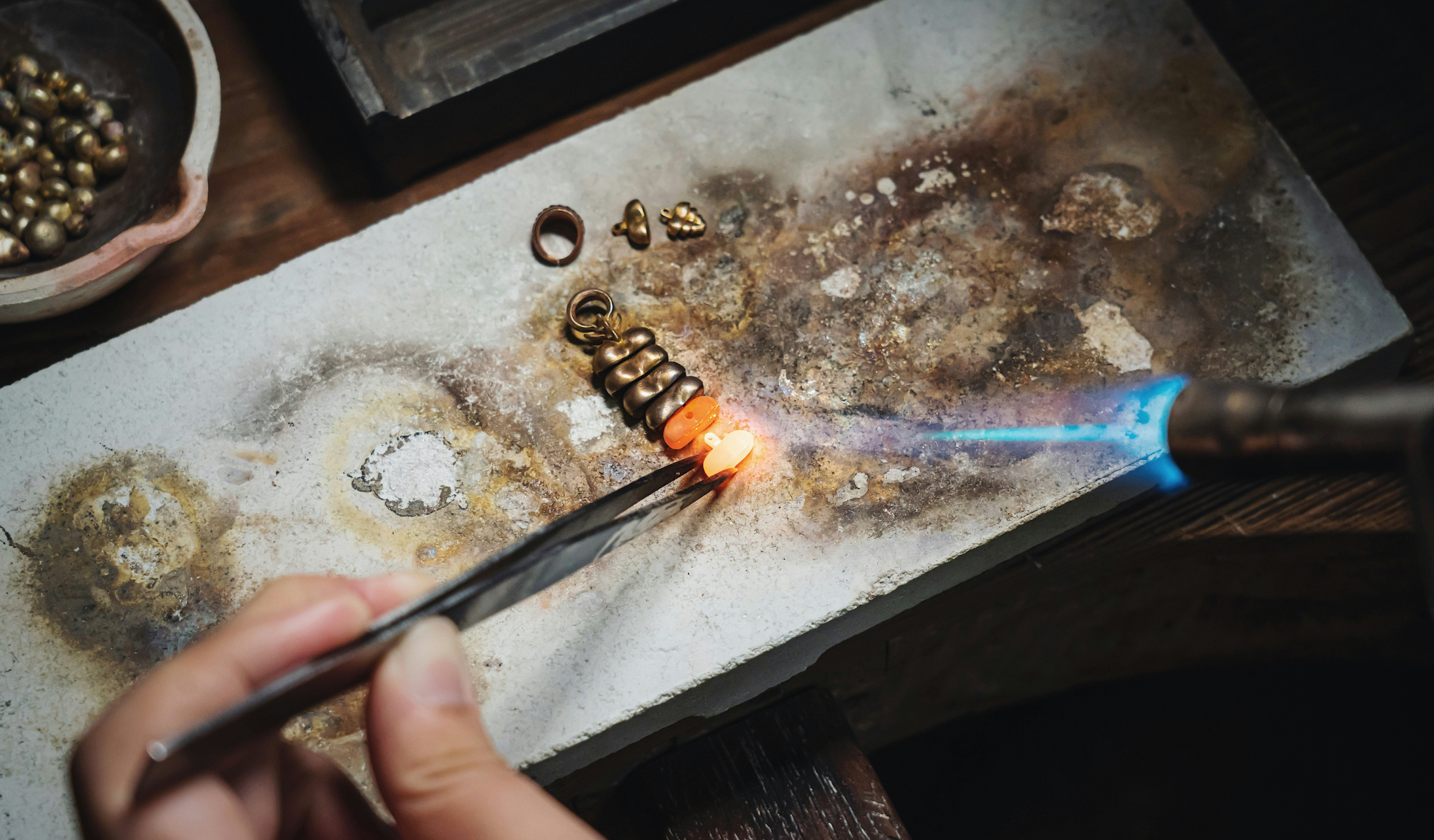
Following the recent announcement that Edinburgh College of Art will be closing the remainder of its undergraduate degrees in craft disciplines, Craft Scotland along with organisations and leaders across the sector have released an open letter calling for their reinstatement.
UPDATE:
Due to the strength of public response to this open letter, we have lauched a petition to evidence the support for these highly successful craft and design courses. We plan to share this petition with Scottish Government and politicians, and university decision makers to help fuel a reversal of this descision.
>>> SIGN AND SHARE THE PETITION to help save these vital strands of Scotland's craft and design education ecosystem.
Craft Scotland and the other craft support organisations signing this statement are shocked to hear about the proposed closure of the undergraduate Jewellery and Silversmithing, Textiles and Performance Costume courses at Edinburgh College of Art. This will devastate educational opportunities for future generations of professional makers and designers.
We call on University of Edinburgh Principal, Sir Peter Mathieson, Edinburgh College of Art Principal, Professor Juan Cruz, and Vice-Principal, Professor Sarah Prescott, to reverse these planned closures immediately.
Each year we see work of the highest quality emerge from the ECA degree courses. In our role we monitor the success of makers and we know that many of these graduates progress to very successful careers in craft, and make a valuable contribution to the wider cultural sector in Scotland and internationally.
Collectively, these graduate cohorts are ranked amongst the best in the UK. Makers working in jewellery and textiles have directly helped to establish the reputation of Scottish craft internationally and contribute to cutting edge research in materiality and design.
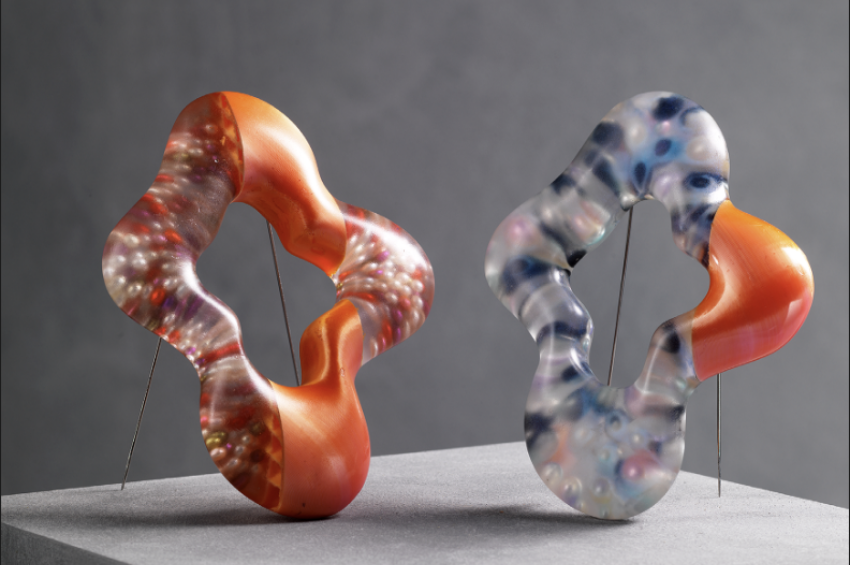
Edinburgh College of Art Jewellery and Silversmithing alumni have had their masterpieces acquired by some of the world’s most important museum collections and by private collectors.
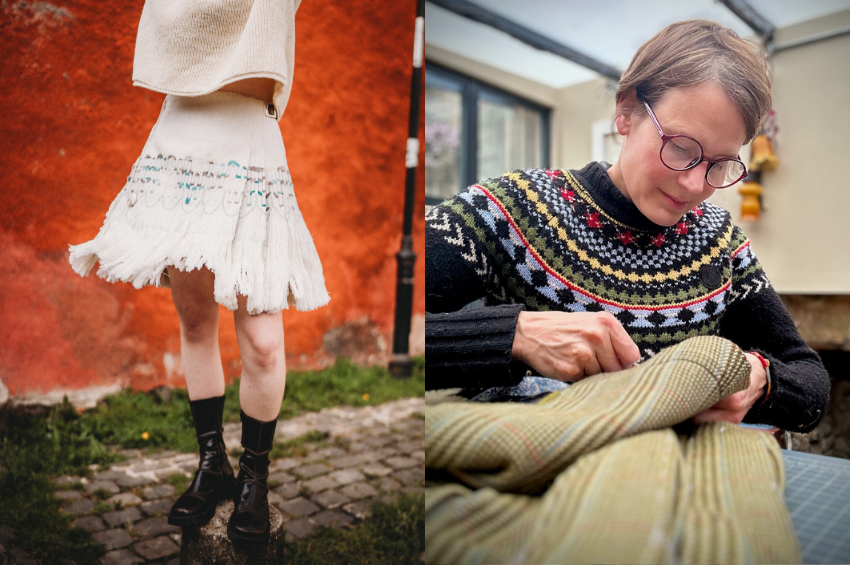
Alumni from ECA’s Performance Costume course land prestigious roles working across stage and screen, as well as contributing to Scotland’s fashion and textile industries.
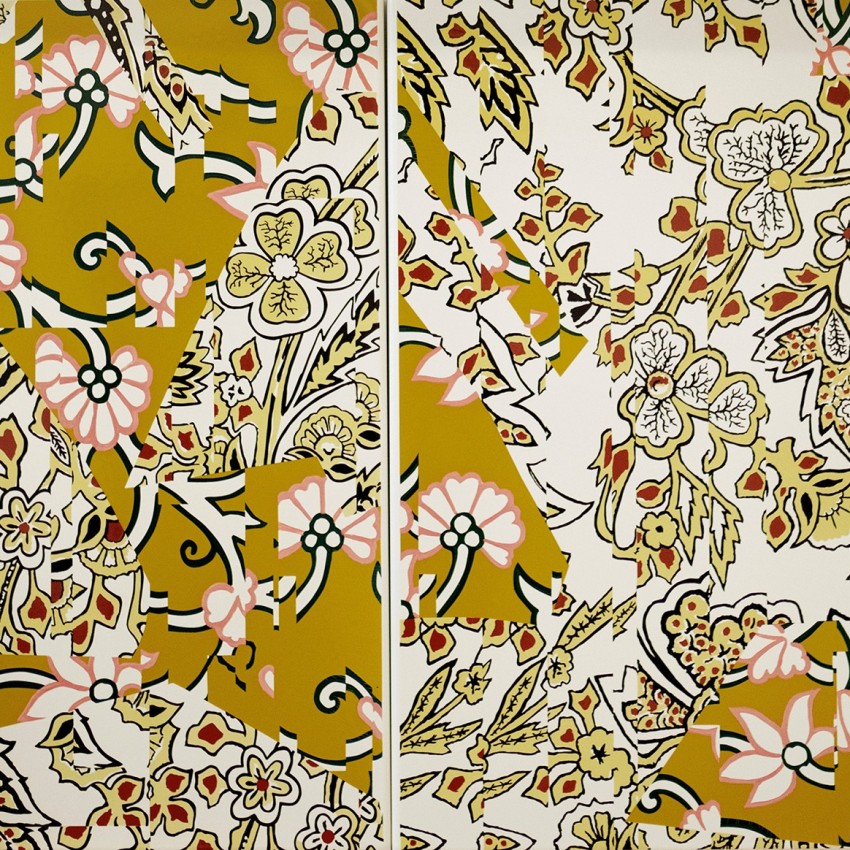
Makers working in textiles have built successful careers in industry and design as well as through establishing individual craft businesses. Textiles at ECA ranks consistently high in the Guardian University Guide, maintaining a position within the Top 6 for Textiles for the last 9 years. Number 2 in the UK and Number 1 in Scotland in 2026.
These courses are a unique and irreplaceable part of Edinburgh’s cultural history. A decision to close these courses will have consequences for Scottish culture that are almost impossible to mitigate and would be an enormous loss for the UK’s cultural landscape.
The reputation of craft and making by hand is on the rise. In an increasingly digital world, the value of craft is being recognised even more widely for its educational benefits, cultural impact and employment opportunities.
International visitors, collectors, curators and academics tell us that Scotland punches above its weight in terms of its contemporary craft culture. This shortsighted decision will have a disproportionate impact on the craft sector as well as significant impact on Scotland’s future creative success.
Craft Scotland Director, Irene Kernan
Co-Signed by:
Applied Arts Scotland
Fife Contemporary
Design Nation
Visual Arts Scotland
Scottish Textiles Showcase
Heritage Crafts
TRACS (Traditional Arts and Culture Scotland)
We Are Makers
QEST (Queen Elizabeth Scholarship Trust)
Contemporary British Silversmiths
Statements of Support:
“Across Europe, we are seeing how difficult it is to transmit craft skills and knowledge from one generation to the next. Losing a long-established course such as Jewellery and Silversmithing at Edinburgh College of Art would make that challenge harder still. Places where craftspeople can learn from experienced practitioners, work with specialist tools and materials, and develop their practice take decades to build and are almost irreplaceable once lost. The European Crafts Alliance stands with Craft Scotland in calling for the continuation of this important course and the knowledge and expertise it helps sustain.”
European Crafts Alliance
“Crafts Council is devastated to hear of the closure of two more craft departments in higher education- jewellery & silversmithing and textiles & costume design at the University of Edinburgh. Whilst the voices advocating for the importance of hand skills and human creativity grow ever louder, the immediate financial pressures facing our universities are narrowing the pathways to craft excellence. I hope the administration will listen to the concerns of the craft community and reinstate the courses before lasting damage is done.”
Natalie Melton, Executive Director, Crafts Council
“QEST supports talented and aspiring makers and helps develop the pipeline of talented craft professionals in the UK. We believe cancelling courses that provide training that focus on hand-skills will reduce opportunities to launch and build careers and retain and progress craft skills”.
Deborah Pocock, CEO, Queen Elizabeth Scholarship Trust (QEST)
"The proposed closure of the undergraduate craft courses at Edinburgh College of Art is a devastating blow. Heritage Crafts exists to champion the incredible skills of our makers, yet we cannot safeguard these practices without the foundational training that well-established courses provide. To lose such highly-regarded programmes in Jewellery, Silversmithing, Textiles and Performance Costume is to sever a vital pathway to talent and cultural heritage. We stand with Craft Scotland and the wider sector in calling on the university leadership to reverse this decision."
Daniel Carpenter, Executive Director of Heritage Crafts
Contemporary British Silversmiths strongly oppose the proposed closure of the Jewellery and Silversmithing undergraduate course at Edinburgh College of Art. ECA has played a vital role in nurturing generations of exceptional makers and in preserving and advancing the specialist knowledge, skills and traditions of silversmithing. These are embodied skills that require dedicated facilities, expert teaching and hands-on learning, and once this ecosystem is lost it is extraordinarily difficult to rebuild. We urge the University of Edinburgh to reconsider the proposed closure and protect this vital course and the future of British silversmithing.
Cara Murphy, Chair, Contemporary British Silversmiths
“The proposed closure of Edinburgh College of Art's undergraduate Jewellery and Silversmithing course is a blow to education in our field. The excellence of the College’s tutors and graduates is world-renowned, and at the Goldsmiths’ Company we are proud to have generations of ECA graduates represented in our Collection and exhibiting at Goldsmiths’ Fair.
"The Goldsmiths’ group — including the Company, Goldsmiths’ Foundation and Goldsmiths’ Centre — is committed to ensuring that craft skills endure, and this closure makes that task all the more urgent. It is dismaying that mounting pressures are forcing universities to make such damaging decisions at a time when the importance of craft is valued more than ever, and when the creative industries are recognised by Government as a priority sector for growth, employment and a flourishing cultural life in the UK.”
Annie Warburton, CEO & Clerk, The Goldsmiths’ Company (and on behalf of Goldsmiths' Centre and Foundation)
“Art Jewelry Forum is a global nonprofit advancing art jewelry by connecting leading collectors with rising artists. This year, we brought an international group of collectors to Scotland to experience its graduate shows. Edinburgh College of Art’s students presented work of exceptional originality, ambition, and technical strength. Closing the Jewellery and Silversmithing programme is deeply disappointing. ECA is nurturing artists who can shape the international field while sustaining the specialized knowledge and creative community on which the long traditions and contemporary innovations of jewelry depend. Once dismantled, an educational ecosystem like this is extraordinarily difficult to rebuild. AJF strongly urges the University of Edinburgh to reconsider.”
Art Jewellery Forum (USA)
"The planned closure of Textiles and Performance Costume courses at Edinburgh College of Art is of deep concern to those of us invested in the future of Scotland’s cultural life and creative workforce, and Edinburgh's status as a cultural city.
Decisions about specialist courses have consequences beyond the institutions in which they are taught. At The Lyceum, we make world class productions here in Edinburgh in our Roseburn workshop. We depend on skilled designers, costume makers, cutters, scenic artist, technicians and craftspeople who bring artistic ideas to life - these skills are developed over time through education, practice, and professional experience.
Our collective cultural future depends on the next generation of artist and craftspeople having opportunities to learn, develop and build their careers here in Scotland. As a producing theatre, The Lyceum is committed to supporting talent and the sustainability of our craft, and we are disheartened at the loss of this vital specialist course and the gap it will leave in our professional creative community."
Lyndsey Jackson, Executive Director at the Royal Lyceum Theatre Edinburgh
“This is devastating news. Closing a craft and design program means losing part of our heritage and history. From both an educational and a cultural perspective, it reflects a lack of vision for the future—not only for our craftspeople and designers, but for society as a whole.”
Thierry Plante-Dubé, Headmaster and Chief Executive Officer, Maison des métiers d’art de Québec
“I grew up coming to the thesis exhibitions at Edinburgh College of Art, and I have always particularly loved seeing the masterful and inventive outcomes from the Jewellery and Silversmithing department. In an age of accelerated technology, it is not "still" important to learn how to do things with our hands. It is imperative, because this kind of embodied knowledge is at the center of our culture and humanity. I know this as a scholar and historian of craft, as somebody who loves and respects Scottish craft in particular, and as someone who advocates for resisting the inevitability of capitalism's assault on the arts and humanities in higher education. What do we want our children and grandchildren to grow up knowing, learning, and valuing?"
Michelle Millar Fisher, museum curator and author of Craft Schools
“As an American jewelry scholar and professor in San Diego State University’s long standing Jewelry and Metalwork program, I am disappointed by the administration’s shortsighted decision to close Jewellery and Silversmithing at ECA. Built and lead by committed scholars, the program has shaped generations of distinguished alumni; its closure weakens the creative, cultural, and economic future that skilled making sustains in Scotland, at a time when this work is more vital than ever.”
Professor Kerianne Quick, MFA, San Diego State University Jewlery + Metalwork Program Head
“Alchemy: Goldsmiths Scotland recognises there can be no meaningful design without an understanding of making and how materials behave. This applies in all fields, from fashion to architecture. In jewellery and silversmithing, as in other crafts, such tacit knowledge can only be built through countless hours at the bench. This applies equally to the use of traditional techniques and cutting-edge technology. There are no short cuts.
Jewellery and silversmithing education in Scotland has always punched far above its weight both in UK and international terms, but its reputation will sharply diminish with the closure of specialist centres of excellence like that at ECA. Alchemy strongly believes the plan to close such departments is both short sighted and economically nonsensical. We believe our future depends on those who know how to make”.
Alchemy: Goldsmiths Scotland
>>> Read the organisagtion's full statement
"Cockpit is shocked to hear of Edinburgh College of Art plans to close the remainder of its undergraduate degrees in craft disciplines. This decision feels extremely short sighted, one that impacts future generations of artist-makers, and diminishes a rich seam of creativity that has been widely recognised. The acquisition of early-stage skills and the opportunity for creative exploration are critical to build sustainable careers and we urge the senior team at the University of Edinburgh and Edinburgh College of Art to reconsider their decision."
Jonathan Burton, CEO, Cockpit
“Over the past seven years, We Are Makers has travelled across Scotland and around the world, visiting craftspeople in their workshops and documenting their work.
Again and again, we have seen that the future of a craft depends on people having the opportunity to learn it. Sometimes that happens around a workbench, sometimes through an apprenticeship, and sometimes through institutions like Edinburgh College of Art.
What concerns us about the loss of courses such as Jewellery and Silversmithing, Textiles and Performance Costume is not only what disappears today, but what will no longer have the opportunity to exist tomorrow.
Scotland has built an international reputation for making over generations. The next generation needs somewhere to begin.”
Kate & Jack Lennie – Founders of We Are Makers
“The preservation of craft knowledge is only possible through its performance. No words, digital repositories, film, photographs, or record keeping can serve to preserve that which is materially, culturally, and performatively acted out upon the world. At a time when we see an increasingly automatized and digitized future on the horizon, it behooves us more than ever to maintain the practices and performed in order to not only hold the embodied knowledge, but to exercise the potential solutions to problems that do not yet exist. Craft practices promise this. The shortsightedness of the political class, and the bowing to the ruling elite driving these decisions is beyond illogical. I truly hope that your petition has some positive effect.”
Professor Robert Wiley - NOVA University, Lisbon